
8 Members
Join Team
2 min read | Updated:
1 month ago
Team PK
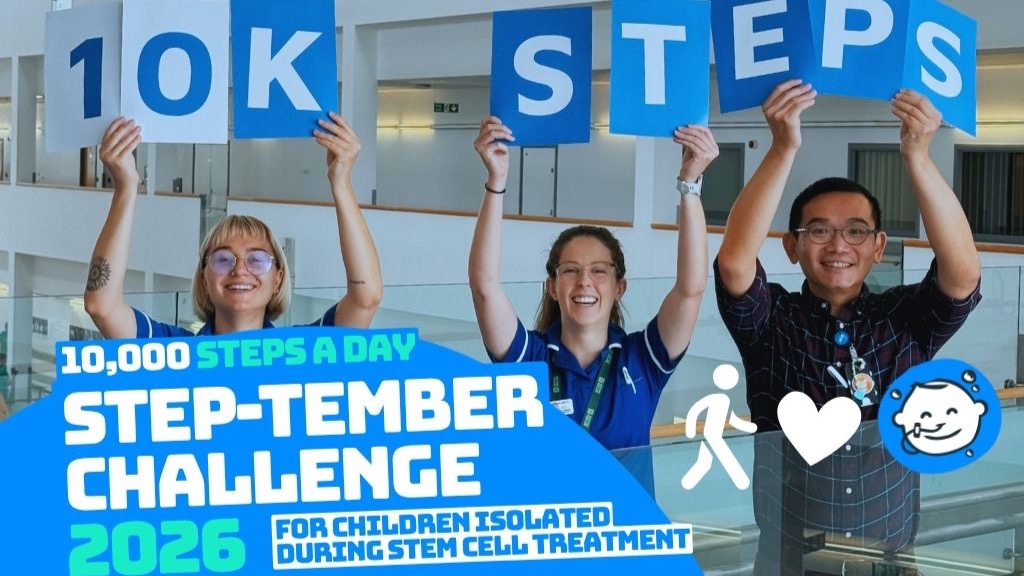
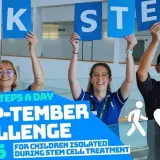
We are walking 300,000 steps in September top help those children who are going through incredibly tough stem cell treatments.
People undergoing stem cell transplantation or CAR-T therapy receive strong medicine known as chemotherapy to prepare their bodies for treatment.
However, every patient processes these medicines differently. Standard doses may result in too much drug, causing serious toxicity, or too little, increasing the risk of treatment failure. Our Newcastle University team is developing ways to measure the concentration of these medicines in each patient’s blood. This allows the doctors to personalise the dose so that it is “just right”.
Currently, this service is mainly available to children enrolled in clinical trials but we want to make this routinely available to all eligible children and adults in Newcastle and across the UK. Your support will help us purchase a specialist piece of equipment called a mass spectrometry machine that we need to make this a reality!
Thank you for your support!!
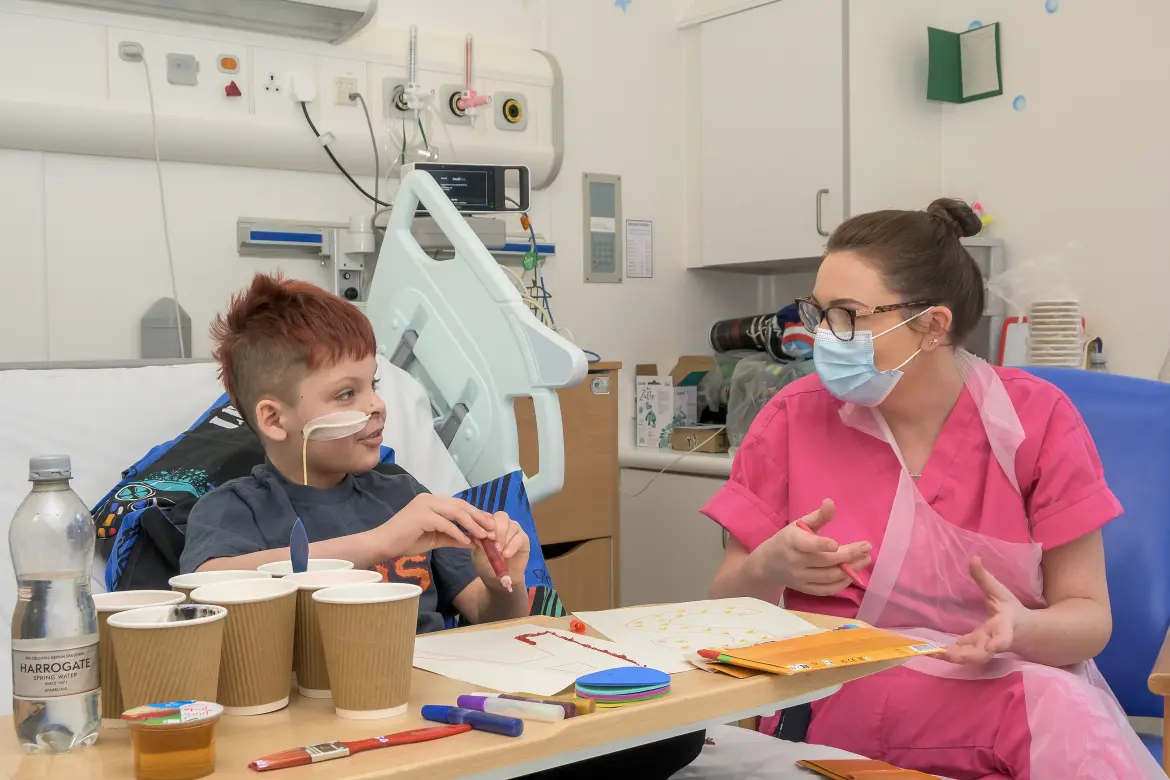
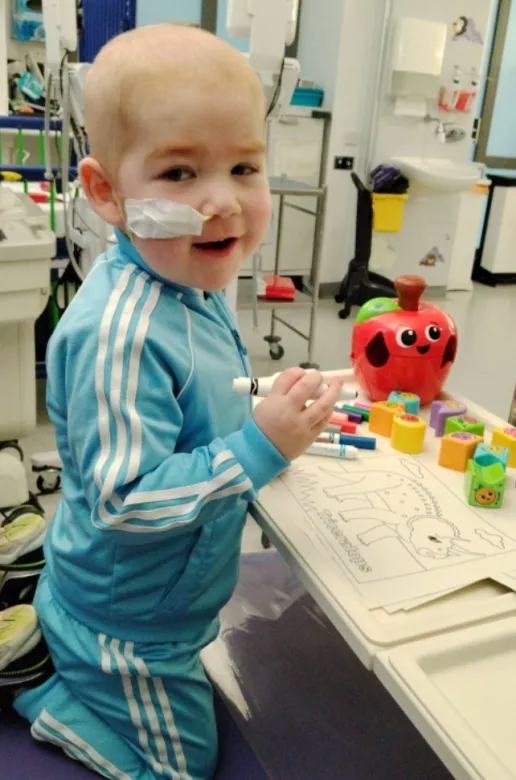
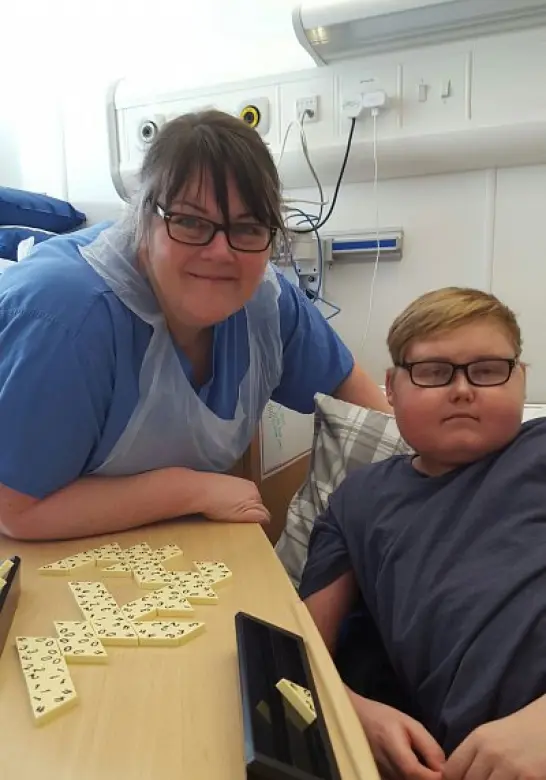
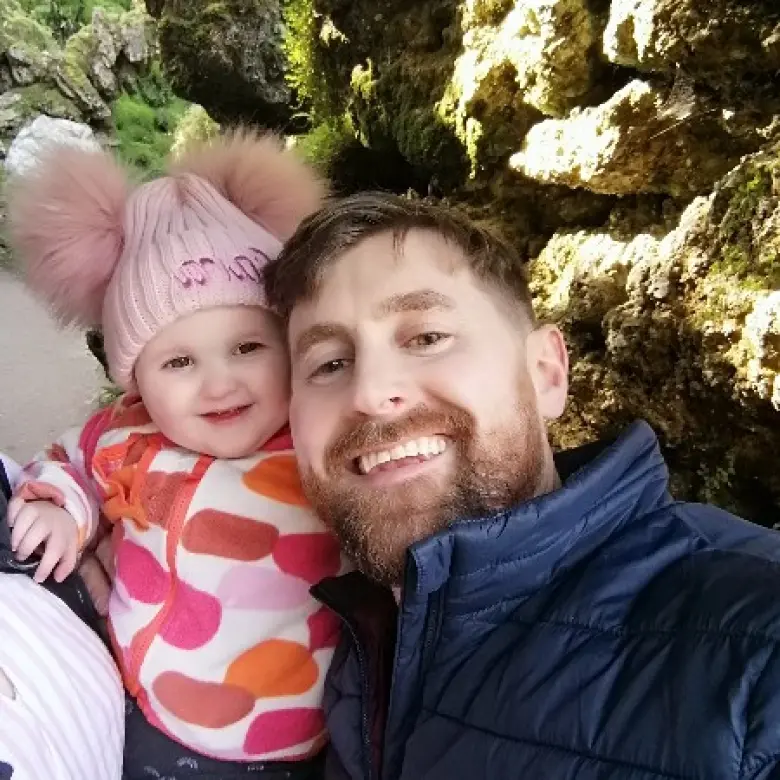
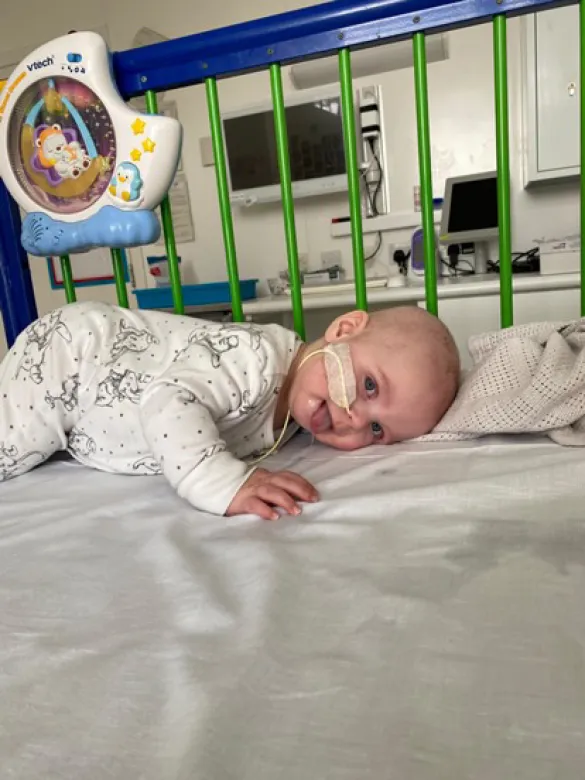
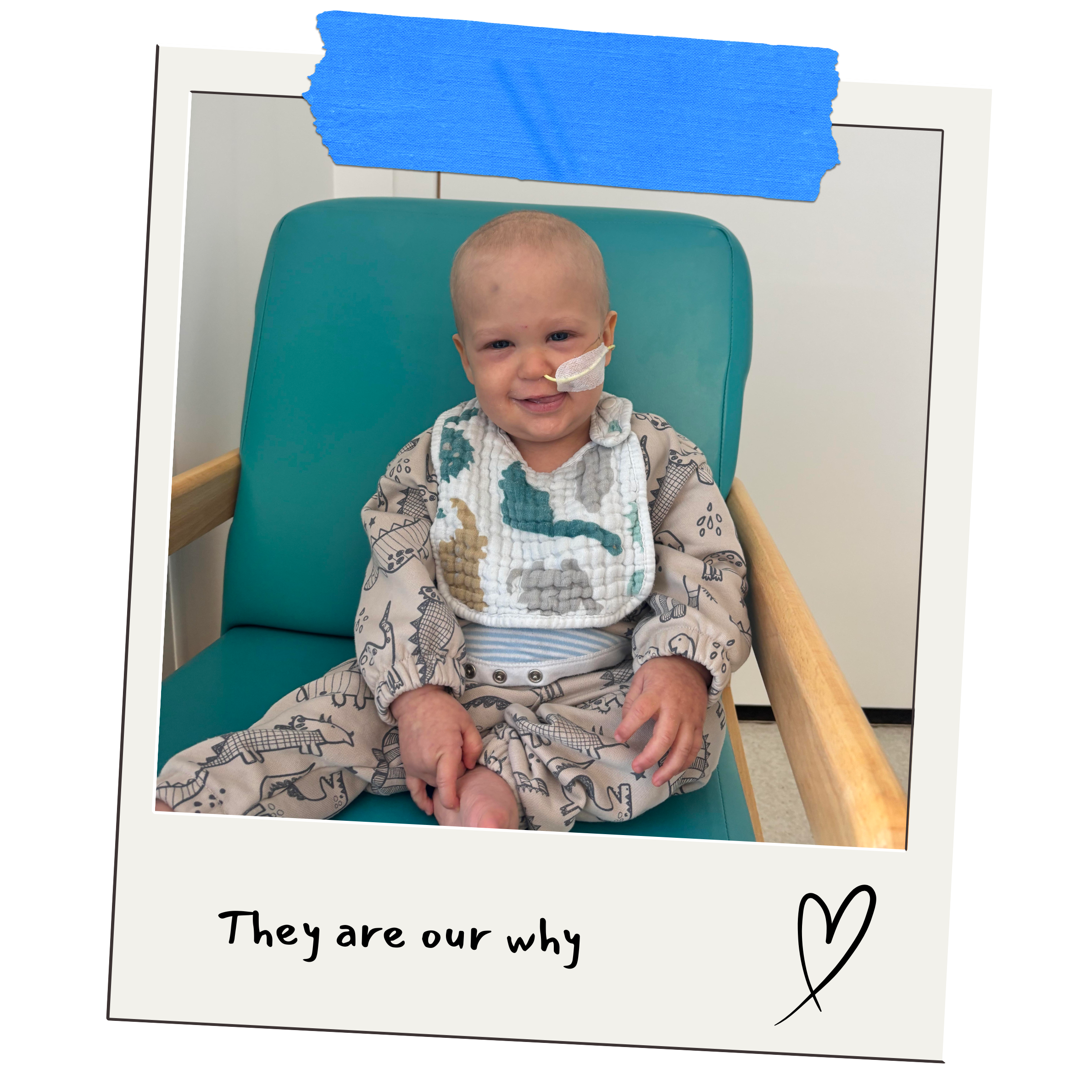
Fighting for children like...

Diagnosed with HLH, passed away in June 2025 | See more
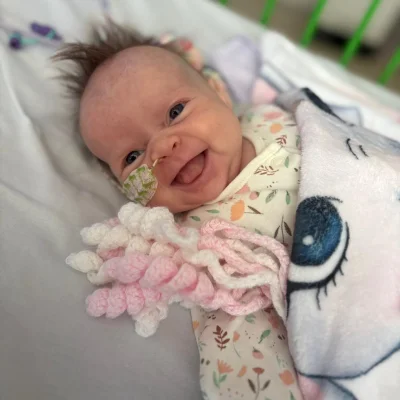
Diagnosed with HLH (Hemophagocytic Lymphohistiocytosis) at one month old | See more
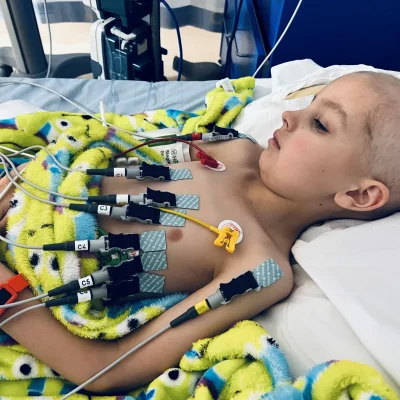
XLP1 | See more
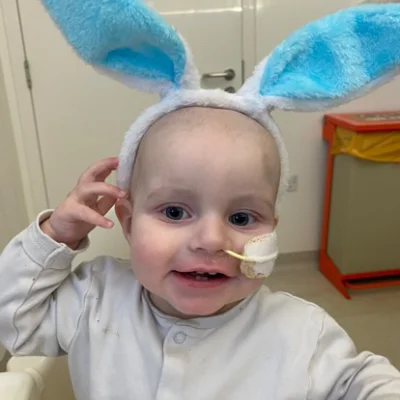
Transplant at 8 months | See more
You can view our patient stories below
See our patient storiesHelp us make Stem Cell Transplantation and CAR T therapy safer and more effective.
Your support will help patients get the right amount of medicine known as chemotherapy for transplant and CAR T
Children and adults undergoing stem cell transplantation or CAR-T therapy receive strong medicine, known as chemotherapy to prepare their bodies for treatment. However, every patient processes these medicines differently. Standard doses may result in too much drug, causing serious toxicity, or too little, increasing the risk of graft failure, relapse or treatment failure.
Our Newcastle University team is developing pharmacokinetic (PK) assays (tests) to measure the concentration of these medicines in each patient’s blood. This allows clinicians to personalise the dose so that it is neither too high nor too low, but “just right”.
In August 2024, Newcastle University PhD student Emma Barlow established the UK’s first fully validated assay for measuring fludarabine concentrations in human plasma. This enabled our team to introduce real-time PK-guided dosing for children undergoing stem cell transplantation and CAR-T therapy. Assays for other important medicines used in transplant and CAR T, have also been developed.
Currently, this service is mainly available to children enrolled in clinical trials. Our vision is to establish an in-house therapeutic drug monitoring service, making personalised dosing routinely available to eligible children and adults in Newcastle and across the UK.
Your donation will help us purchase a mass spectrometry machine, an essential but expensive piece of specialist equipment required to establish this service.
Join Emma and her team for the Step Challenge or donate to support the team. Every contribution, large or small, will help make treatment safer, more personalised and more effective.
Please circulate the link to anyone who is interested to help.
Please support us in providing safer, more personalised and more effective treatment for children and adults undergoing stem cell transplantation and CAR-T therapy.


-
CAR-T Therapy vs Stem Cell Transplant: What’s the Difference?
We are walking 300,000 steps in September top help those children who are going through incredibly tough stem cell treatments. People undergoing stem cell...
Read more: CAR-T Therapy vs Stem Cell Transplant: What’s the Difference? -
Abstract LB327: Optimizing fludarabine exposure in pediatric CAR T-cell patients through an adaptive dosing approach
We are walking 300,000 steps in September top help those children who are going through incredibly tough stem cell treatments. People undergoing stem cell...
Read more: Abstract LB327: Optimizing fludarabine exposure in pediatric CAR T-cell patients through an adaptive dosing approach