
Aplastic anaemia
Aplastic anaemia is a serious condition affecting the blood, where the bone marrow and stem cells do not produce enough blood cells.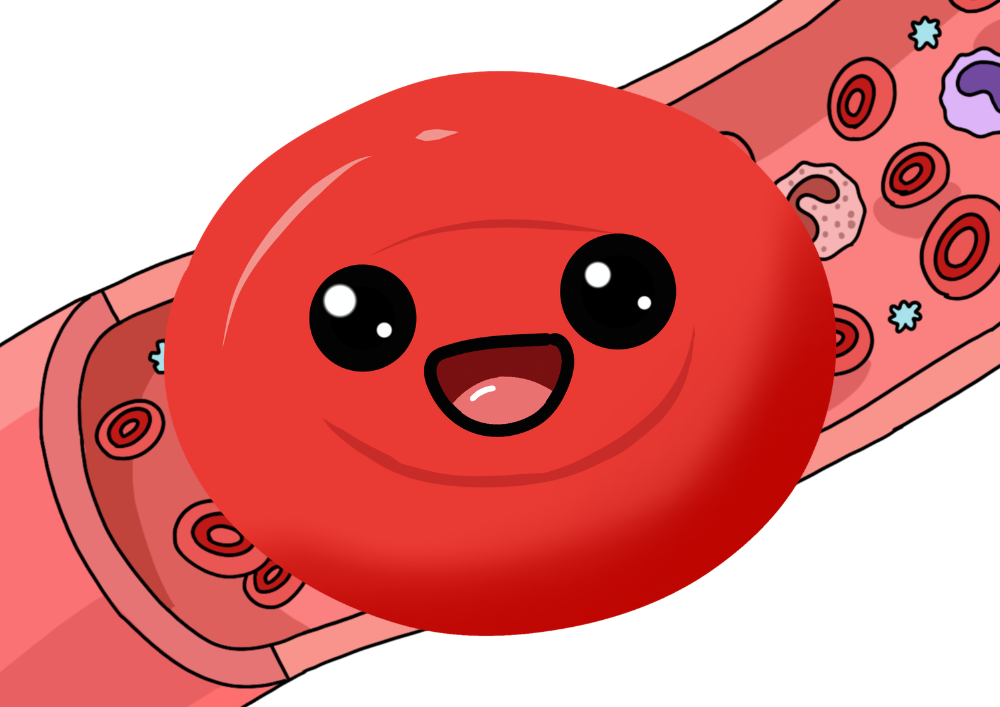
Bone marrow is a soft, spongy tissue inside our bones where blood cells are made. It produces stem cells, which develop into red blood cells that carry oxygen, white blood cells that fight infection, and platelets that help blood clot. Normally, the body carefully controls how many of these cells are made. In aplastic anaemia, the bone marrow stops producing enough of all three types, leaving the body without the cells it needs to stay healthy.
This can lead to symptoms such as unusual bruising or bleeding, extreme tiredness, and frequent or long-lasting infections. The condition can be inherited, but more often it develops when the immune system mistakenly attacks the bone marrow. It is rare and usually diagnosed through blood tests and a bone marrow sample. Treatment focuses first on supporting the child with things like blood transfusions, and then on restoring the bone marrow, often through medicines that calm the immune system or a bone marrow transplant from a matched donor.